
Climate adaptation and resilience
As the world faces increasingly severe climate changes, the concepts of climate adaptation and climate resilience become more relevant than ever.
How to adapt to climate change?
Climate resilience encompasses the ability to prepare for, handle, and adapt to climate-related challenges, from extreme weather to long-term climate changes. This is especially important for communities on the front lines of the direct consequences of climate change.
Climate resilience refers to a society’s ability to maintain its functions and structures in the face of climate change. This can involve everything from improved infrastructures that withstand extreme weather conditions to agricultural methods that ensure food security under changing climatic conditions. For example, a community with high climate resilience would be able to handle periods of drought or floods without compromising food production or people’s livelihoods.
Challenges brought by climate change
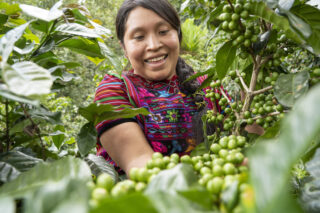
Climate change brings a series of challenges that require immediate action. Rising temperatures, more frequent extreme weather events, sea level rise, and unpredictable rainfall patterns threaten not just natural environments but also human lives and economies. For small-scale farmers, who rely on stable climate conditions to produce food, these changes can be catastrophic.
The fight against hunger and poverty
Climate change has direct consequences for global food security and economic stability, especially in already vulnerable societies. As the climate becomes more unpredictable, growing food becomes more difficult, leading to lower yields, loss of income, and higher food prices. This creates a domino effect that can exacerbate hunger and poverty. Therefore, climate resilience is not just an environmental issue but also an essential part of the fight against hunger and poverty.

The Development Fund’s work for climate resilience
Climate adaptation involves investing in solutions that mitigate the consequences of climate change. The Development Fund supports local communities with guidance and financial assistance, so that small-scale farmers are better equipped to face floods and droughts. The Development Fund places great emphasis on climate-resilient development through a variety of programmes and initiatives. In collaboration with local partners, methods for climate adaptation in the communities we work with are developed. Here, it is the local population themselves who identify challenges created by climate changes for their village and also come up with suggestions on how to solve these challenges.
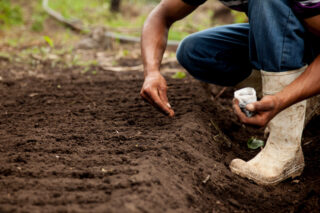
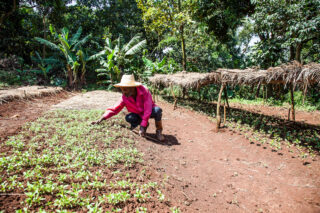
The measures can range from training in climate-adapted agricultural techniques to support for rainwater harvesting and the establishment of seed banks. In this way, small-scale farmers’ ability to adapt to climate changes is strengthened, contributing to increased food security and economic stability in vulnerable communities.
Climate resilience requires cross-sector effort
Building climate resilience is a complex process that requires effort from all levels of society. It is not enough to focus only on short-term adaptations; we must also work to address the deeper causes of vulnerability, such as poverty, lack of infrastructure, and social inequality. By combining climate adaptation measures with broader socioeconomic strategies, we can create more resilient and sustainable communities that are better equipped to face future challenges.
Therefore, climate resilience is not just a goal itself but a necessary prerequisite for ensuring sustainable development for all, especially in a world where climate changes continue to challenge our traditional ways of living. It requires effort, innovation, and collaboration across borders and sectors.
Download report
Climate Adaptation and Resilience
Learn more about The Development Fund's work with small scale farmers and climate adaptation and resilience.