Biological diversity in agriculture
In a world where climate change and increasing populations test food security, the conservation of biodiversity becomes an increasingly important task.
What is biodiversity?
Biodiversity, or biological diversity, refers to the variety of life on Earth – from the genetic diversity within species, to the diversity of species and ecosystems. This diversity is crucial for maintaining the balance of nature and ensuring food production for future generations.
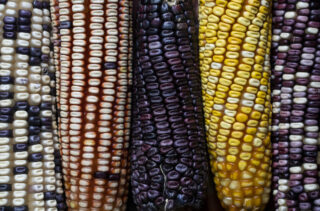
Biodiversity encompasses all living things on our planet, including plant varieties and food crops with unique characteristics that make them resilient to various challenges. Agrobiodiversity, a subcategory of biodiversity, specifically focuses on the plants we humans cultivate for food and the ecosystems they are part of. This diversity is essential for the survival of small-scale farmers, as it provides them access to plants adapted to local conditions and capable of withstanding climate challenges, pests, and diseases.
The importance of biodiversity for food security
The growing hunger in the world is a mounting concern, particularly among small-scale farmers in the Global South, who are especially vulnerable to the impacts of climate change. A wide range of plant varieties acts as a crucial safety mechanism, reducing the risk of crop failure and ensuring food on the table even under extreme weather conditions.
Farmers’ Rights
Farmers play a crucial role in preserving genetic diversity through their seed systems, where they conserve, use, exchange, and sell seeds. These systems are vital for maintaining and developing plant varieties that can meet future challenges.
Farmers’ rights to use seeds and plant genetic diversity are an important part of international cooperation to preserve biodiversity. These rights include the protection of traditional knowledge, fair distribution of benefits from the use of genetic resources, and participation in decisions about conservation and sustainable use.
The Development Fund's work with biodiversity conservation
Biodiversity is threatened. Up to 75% of plant genetic diversity is estimated to have been lost over the last hundred years. The reasons are many, including climate change, international markets, and the introduction of modern plant varieties that threaten traditional plant diversity.
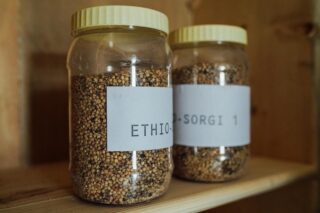
The Development Fund actively works to conserve biological diversity through various activities. These include the establishment and support of local seed banks, participatory variety selection, and the rehabilitation of plant varieties at risk of disappearing. Our programmes also support farmers’ rights and work for stronger national and international frameworks to protect these rights.
Conserving biodiversity is fundamental to ensuring food security and preserving Earth’s life support systems. Through the indispensable work of farmers, supported by organisations like The Development Fund, we can ensure a sustainable future where both humans and nature can thrive. It is through collective effort and a commitment to safeguarding our planet that we can secure a sustainable future for all.
Download report
Biological Diversity in Agriculture
Learn more about The Development Fund's work with strengthening small scale farmer's efforts towards biological diversity.
Download report
The Impact of the Development Fund’s and LI-BIRD’s Community-based Agrobiodiversity Programme in South Asia – with emphasis on Nepal
Download the 2019 report on the impact of The Development Fund's and LI-BIRD's community-based agrobiodiversity program in South Asia, with a focus on Nepal. The report, written by Regine Andersen from the Fridtjof Nansen Institute, is in English and available for free.