Nepal
Nepal is one of the world's most climate-vulnerable countries and is characterised by recurrent natural disasters such as floods, earthquakes, and landslides. This affects the livelihoods of the population.
Over two-thirds of the population earn their income through agriculture, yet the sector contributes only about one-third of the country's gross national product (GNP). Despite some progress in poverty reduction in Nepal in recent years, the disparities are enormous, and Nepal remains one of the world's poorest countries.
Nepal has a long history of political instability, oppression, and civil war. The country has a new democracy with a constitution from 2015, which declared that the country should be restructured into a federal governance. In 2017, Nepal conducted its first local elections in twenty years and established its first federal government in 2018. The Development Fund, which has been working in the country since 1982, prioritises working in the poorest areas where we have extensive experience in climate adaptation, food security, and developing local action plans at the municipal level.
The Development Fund in Nepal
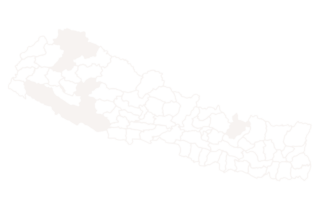
The Development Fund works in the areas Humla, Bajura, Kailali, Bardiya, Banke, Jajarkot, Salyan, Dang and Dolakha i Nepal. Implementing areas are marked in white.
Food security and nutrition
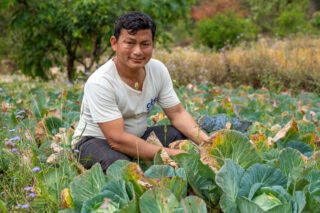
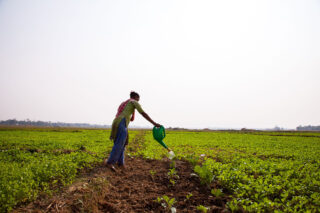
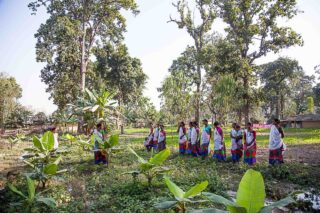
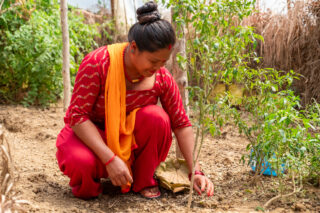
Training in climate-adapted and sustainable agriculture is an important part of our work to enhance food security and nutrition in Nepal. We operate in areas vulnerable to extreme weather conditions such as cold, drought, and floods. Access to land is also limited for many rural people, and therefore, we support initiatives such as establishing kitchen gardens, simple greenhouses, and solar-powered irrigation systems. Through participatory vulnerability assessments, local communities develop action plans to implement measures that prevent floods or erosion.
Biodiversity in agriculture
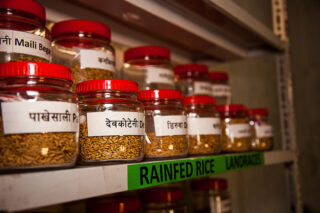
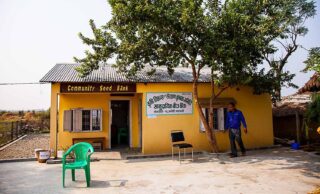
Poor farmers in Nepal need access to quality seeds even in tough times. The Development Fund works to ensure that impoverished families reliant on agriculture always have access to a diversity of quality seeds suited to local conditions and climate. To ensure this diversity, we support the establishment and operation of local seed banks that provide farmers with access to seeds. Seed shortages occur, among other reasons, after earthquakes, floods, and droughts.
Training farmers and establishing seed banks have led to variety in farmers' fields and improved access to different seeds in Nepalese villages. These seeds enhance climate resilience, contribute to income generation, and provide a nutritious diet for poor families dependent on agriculture for survival. It's about both developing and conserving natural resources. We're talking about farmers' livelihoods and their contribution to global food security.
Management of natural resources
Nepal is heavily impacted by extreme weather, climate change, and environmental degradation. To ensure the country is well-equipped to face upcoming challenges, it is crucial to strengthen sustainable management of natural resources through increased knowledge and preparedness. Our work contributes to climate adaptation in rural areas, stronger local resilience in the face of climatic challenges and extreme weather, rebuilding degraded agricultural areas, and preserving and ensuring access to high-quality seed.
Green credits and savings and loan groups
Agriculture is the primary source of income for poor rural families in Nepal. However, earnings are low, leading many young men to migrate in search of employment. To prevent this, green credits and savings and loan groups are crucial for initiating income growth. Additionally, there is a need for improved market access, increased participation in value chains, and vocational training. Strengthening the market position of rural populations requires a good connection between producers and markets. The Development Fund has extensive experience in supporting and strengthening cooperatives, where farmers organise themselves to offer their goods at a price and quality that the market demands
Women's rights and equality
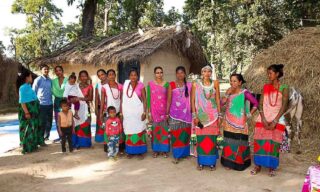
We work to strengthen the rights and opportunities for women, youth, and marginalised groups to participate in decision-making processes. Our target groups in Nepal are the rural poor, with a special focus on women and marginalised groups such as Dalits, former agricultural slaves (Kamayas), and indigenous groups like the Tharu. The efforts to empower these target groups occur through training, counseling, knowledge exchange, and collaboration.
Strengthening civil society
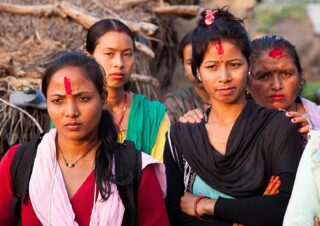
Nepal has a nascent democracy. The constitution was put in place in 2015, and it was decided to restructure Nepal into a federal state with seven provinces. The first local democratic elections in over twenty years were completed in 2017. Therefore, Nepal's political landscape is undergoing significant changes. The Development Fund in Nepal has extensive experience in strengthening civil society and contributing to good local political processes, including municipality planning.
Donors and grants
Climate Resilient Rural Communities in Nepal (Phase II)
Donor: Norwegian Agency for Development Cooperation (NORAD)
Duration: 01.01.2021-31.12.2025
Overarching goal: Ensure increased climate resilience and well-being of rural communities
Number of households: 28 000