Somalia
Somalia is classified as a vulnerable state. Poverty is very widespread, and around three out of four Somalis live below the poverty line.
The poverty situation is particularly severe in rural areas, where it is estimated that around 90% of the population is poor. The country has been marked by war, a lack of political stability, and a challenging security situation. However, the partially autonomous regions of Somaliland and Puntland have experienced positive reconstruction and achieved a relatively high degree of political stability. The Development Fund has been working in Somaliland since 2009 and expanded our work to Puntland in 2017.
The vast majority of the population relies on agriculture and pastoralism for their livelihood. In Somaliland and Puntland, the majority of the population are pastoralists or agro-pastoralists who are totally dependent on livestock. The northern part of the country is arid, and the population in these areas is particularly vulnerable to climate change. Recurring and prolonged drought periods pose major challenges to food production and create food security crises. The Development Fund works to increase food security and strengthen local communities' capacity to face these crises through training in sustainable and climate-adapted agriculture, rehabilitation of degraded land, increased access to water, and the development of alternative sources of income.
The Development Fund in Somalia
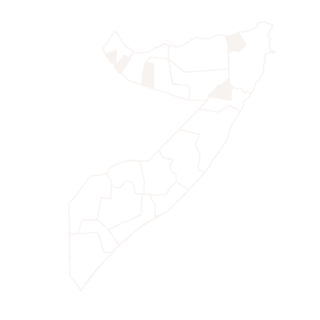
The Development Fund implements projects in the areas of Boorama, Gabiley, Oodweyne, Garoowe, and Bosaaso. Implementation areas are marked in white.
Food security and nutrition
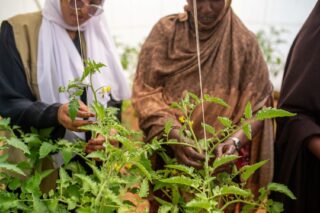
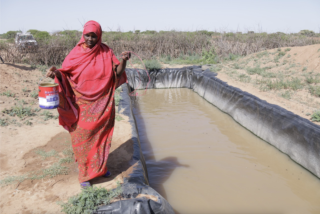
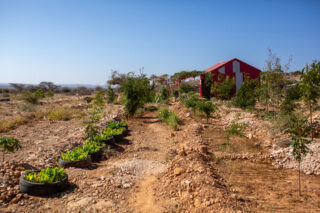
Somalia is very vulnerable to climate change. The consequences of prolonged droughts and rainy periods are particularly severe in areas that already have poor access to water, degraded land, and a lack of strategies to reduce disaster risks. This threatens the food security and nutrition of small-scale farmers in Somalia. We have developed climate-adapted villages where we involve local communities in assessments and the development of action plans. Our projects contribute to improving systems for managing and accessing water, soil and water conservation, and providing training on climate-adapted agricultural techniques. The work is often also related to flood protection. To prevent the formation of gullies and soil erosion, soil depths are created.
Biological diversity in agriculture
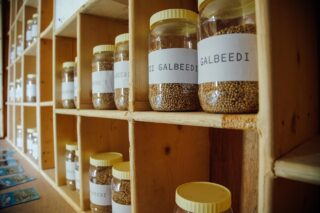
For many farmers in Somaliland and Puntland, access to high-quality seeds is limited. During the civil war, the diversity of local varieties disappeared as farmers fled to the neighboring country of Ethiopia. To improve biodiversity and food security, The Development Fund establishes seed banks where farmers can save, exchange, and borrow seeds. In collaboration with local partners, we have collected many traditional varieties of important food plants, which are now stored in these seed banks. Farmers test the different varieties and identify those best suited for local climatic conditions. The seeds can then be used by the farmers on their own plots of land. During drought disasters, the seed banks have proven to be especially useful in ensuring that farmers in other parts of Somaliland and Puntland have access to sowing seeds. We also support our local partners in the work on seed policy, with a particular focus on securing farmers' rights to seeds in the seed laws of Somaliland and Puntland.
Management of natural resources
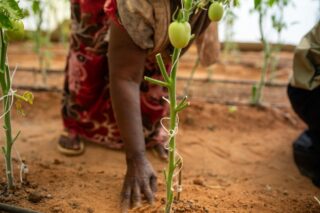
Poor soil, few water sources, and inadequate knowledge of sustainable agriculture and techniques are some of the biggest challenges in Somalia. Starting up in agriculture is also a major change from traditional ways of life. The Development Fund provides training in sustainable agricultural methods to better manage natural resources and also increase food production. The methods we use are adapted to local conditions and are closely monitored. The training helps farmers increase soil moisture and master techniques for preparing the soil. Farmers are also introduced to new seed varieties. Production of animal feed is also important, as there are very few grazing areas. Selected individuals in the community receive training in basic veterinary services, so they can work with animal health.
Green credits and savings and loan groups
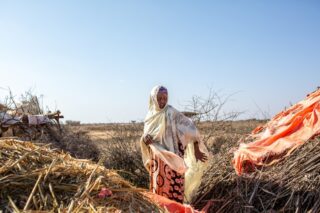
Pastoralists and agro-pastoralists in Somalia depend on livestock and agriculture to earn an income. Alternative sources of income are rare, which especially hinders the opportunities for women and young people. In The Development Fund's projects, farmers can take out a small loan where the money can be used to buy seeds, tools, or to engage in animal husbandry. The loan is paid back when they sell their goods in the market. Our projects also focus on strengthening women's income opportunities through the establishment of cooperatives or savings and loan groups, and the further processing of agricultural products.
Women's rights and equality
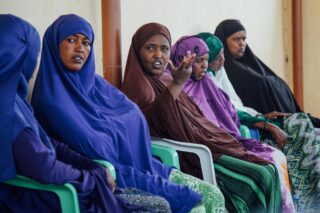
A strong and inclusive society is important for reconstruction, stabilisation, and democratisation. The Development Fund focuses on capacity building among local partners in Somalia and supports their fight for participation in development and political processes. The establishment of and support for community-based organisations are key components of our projects and approaches. Particularly important is the focus on stronger participation and women's influence in decision-making processes.
Strengthening civil society
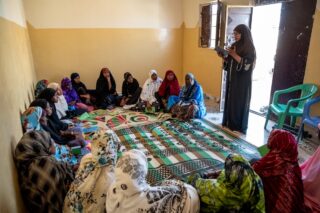
The Development Fund supports the organisation of farmers and agro-pastoralists into community-based organisations, where they can strengthen their influence in local and regional development processes and their bargaining power. The community-based organisations can be farmer cooperatives, seed banks, local seed bank committees, local development committees, or other grassroots organisations. We support our local partners in their efforts to influence seed policy and strategies for the conservation and sustainable use of plant genetic resources.
Implementing partners
Donors and grants
Buliding Local Resilience and Adaptation to Climate Change
Donor: Norwegian Agency for Development Cooperation (NORAD)
Duration: 2021-2025
Total funding: 45 MNOK
Overarching goal: Increased climate resilience and well-being for rural village communities. Improve food security, nutrition, and economic independence. Enhance public services and legal frameworks in line with the needs, rights, and priorities of village communities, and give rural women and marginalised groups increased influence and recognition in their households, grassroots organisations, and communities.
Number of households: 4,936
Climate resilience, food and livelihood security for agro-pastoralists in Somalia
Donor: Darwin initiative (FCDO and DEFRA)
Duration: 2022-2027
Total funding: GDP 2,276 million
Overarching goal: Construction and development of Community Seed Banks, Food and seed security, livelihoods.
Number of households: 5 communities in Somaliland and Puntland.