
Project evaluations
Here we publish project evaluations and documents that shows evaluations and results from the concrete work we do in the field at The Development Fund. The project evaluations are executed by external and objective contributors.
Download report
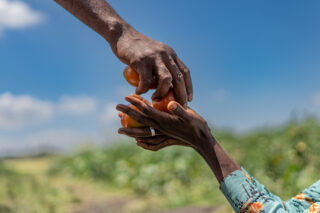
Final evaluation of The Joint Resilience Building Project
The Joint Resilience Building Project (JRBP) was implemented in three woredas in the Somali and Oromia regions, aiming to strengthen the livelihoods of over 35,000 pastoralists and agropastoralists, as well as 6,000 internally displaced persons. The project implementation period was from August 2017 to May 2021. An end evaluation was conducted from May to July 2021 to assess the project's implementation and achievement against its planned objectives. The evaluation is in English and can be downloaded here.
Download report
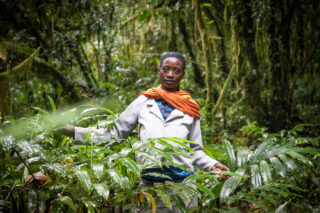
Mid-term review of the REDD+ Participartory forest management programme in Ethiopia
This report evaluates the progress of The Development Fund's Participatory Forest Management programme in Ethiopia, three years into the agreement period from 2021-2025. The project is funded by the Norwegian government through Norad, and its goal is to reduce and reverse the loss of tropical forests, contribute to a stable climate, protect biodiversity, and promote sustainable development.
Download report
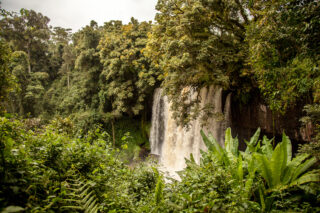
Mid-term Review of The Development Fund's Climate Resilient Rural Livelihoods Programme
This mid-term review evaluates the progress of The Development Fund's programme to strengthen climate resilience in rural communities during the first three years of the programme agreement (2021-2023). The Development Fund implements the programme in six countries, focusing on the integration of village development with climate adaptation and natural resource management: Ethiopia, Guatemala, Malawi, Mozambique, Nepal, and Somalia. Download the report in English here.
Last ned rapport
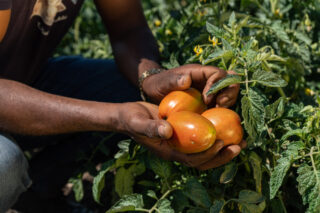
End-term review of strategic partnership - Sustainable Vegetable Value Chain (SVVC) project
The 'Sustainable Vegetable Value Chain (SVVC) project in Guba Lafto and Fogera Woredas aimed to boost small-scale farmers' livelihoods and empower medium/large-scale farmers for export-oriented vegetable production. Key players included the Development Fund, JoyTech Fresh, SNV (Netherlands Development Organization), and the two local partner organizations from two woredas.
Download report
Final evaluation of The Joint Resilience Building Project
The Joint Resilience Building Project (JRBP) was implemented in three woredas in the Somali and Oromia regions, aiming to strengthen the livelihoods of over 35,000 pastoralists and agropastoralists, as well as 6,000 internally displaced persons. The project implementation period was from August 2017 to May 2021. An end evaluation was conducted from May to July 2021 to assess the project's implementation and achievement against its planned objectives. The evaluation is in English and can be downloaded here.
Download report
Final evaluation of Honey Value Chain
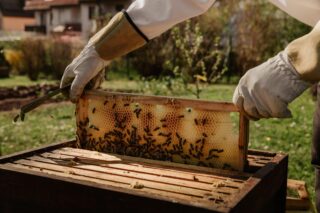
Ethiopia has ideal conditions for honey production with diverse biodiversity and favourable climatic conditions, but many farmers struggle to improve the quality and market their honey. The "Honey Value Chain (HVC)" project was implemented by The Development Fund in collaboration with EWNRA from 2018 to 2021 to enhance local communities' production, development, and sale of honey. The project was financially supported by Norad's Section for Private Sector Development. A final evaluation was conducted by ABBABOR Development Consult to assess the project's success and the partner's accountability procedures. It is in English and can be read here.
Download report
Final evaluation of Community Resilience in Somaliland and Puntland
The "Community Resilience in Somaliland and Puntland (CRISP)" project was supported by the European Union (EU) through the European Union Emergency Trust Fund for Stability (EU ETFS). The aim was to strengthen the resilience of communities in Somaliland and Puntland against climate-related challenges. Through collaboration with local partners such as HAVOYOCO, Candlelight, ADO, and KAALO, the project worked to enhance disaster preparedness, strengthen sustainable production systems, and create income opportunities. The project was active between 2018 and 2022, with a six-month extension. You can read the project's final evaluation here.